Air-Purifying Plants and Delhi Pollution: What Plants Can and Cannot Do
An honest look at the NASA study, what indoor plants really change, and the plants that are worth having for a fresher home.
25 September 2026 3 min readBy the VaanMart nursery team
Every October and November, as Delhi's air quality index climbs past 300, searches for "air purifying plants" spike. Many lists promise that a snake plant will clean your bedroom's air. The truth is more nuanced — and knowing it helps you protect your family properly.
What the NASA study actually found
The widely quoted 1989 NASA Clean Air Study tested plants inside small, sealed chambers and found they reduced certain chemicals (such as benzene and formaldehyde) over time. It did not test real homes, which are far larger and constantly exchange air with the outside. Later research has found that you would need a very large number of plants per room to match even basic ventilation.
What plants cannot do
- They cannot remove PM2.5 smog from a room in any meaningful amount. The fine particles that make Delhi's winter air dangerous need filtration.
- They cannot replace an air purifier with a HEPA filter on severe-AQI days.
- They cannot fix a room with smoke, incense or cooking fumes — ventilation and exhaust fans do that.
What plants genuinely do
- Add humidity: helpful in dry, heated winter rooms.
- Make rooms feel fresher and calmer: studies on greenery indoors consistently show benefits for mood and concentration.
- Encourage better habits: people with plants tend to open windows on clean-air days and pay more attention to their indoor environment.
A sensible plan for Delhi's smog season
- Check the AQI daily. On "very poor" and "severe" days, keep windows closed.
- Run a HEPA air purifier in the bedroom, sized for the room.
- Ventilate on cleaner afternoons when AQI dips.
- Keep plants for comfort and humidity — and wipe their leaves, as smog dust settles on them.
Plants worth having for a fresher home
These are hardy, handle indoor light, and are among the plants most often studied for indoor air:
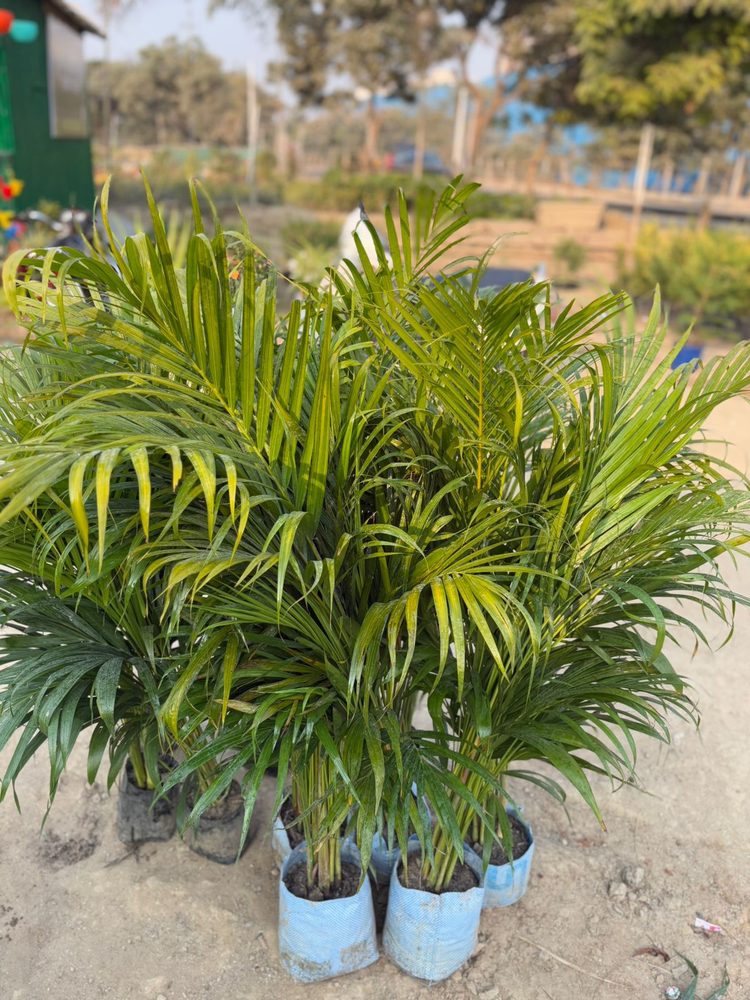
- Areca palm — adds humidity and a soft green look.
- Snake plant — low light, low water, good for bedrooms.
- Golden pothos — easy trailing plant for shelves.
- Spider plant — pet-safe and fast-growing.
- Peace lily — flowers in medium light.
- Rubber plant — large leaves for bright rooms.
- Boston fern — loves humidity; good in bathrooms with a window.
Caring for plants during smog
Low winter sun plus smog means less light. Move plants closer to windows from November to January, water less often, and wipe leaves every week or two so dust does not block what light there is.
For more on choosing plants by light, see best indoor plants for Delhi NCR flats.
Frequently asked questions
Do indoor plants reduce PM2.5?
Not in a meaningful amount in a normal room. For PM2.5, use a HEPA air purifier and keep windows closed on high-AQI days.
Which plant is best for air purification in a bedroom?
The snake plant is a popular bedroom choice because it tolerates low light and little water. Treat it as a comfort plant, not a purifier.
How many plants do I need to purify a room?
Research suggests far more plants than a home can hold would be needed to match normal ventilation. Enjoy plants for wellbeing and humidity instead.