Ceramic vs Plastic vs Terracotta Pots: Which Is Best for Your Plants?
How each pot material affects watering, root health, weight and looks — and which to choose for indoor plants, balconies and succulents.
25 September 2026 3 min readBy the VaanMart nursery team
The pot is a plant's home, and the material changes how often you water, how warm the roots get, and how easy it is to move the plant. Here is how the three most common materials compare.
Quick comparison
| Terracotta | Ceramic (glazed) | Plastic | |
|---|---|---|---|
| Breathability | High — dries fast | Low | None |
| Watering frequency | More often | Less often | Least often |
| Weight | Medium to heavy | Heavy | Light |
| Summer heat | Keeps roots cooler | Moderate | Dark plastic gets very hot in sun |
| Durability | Can crack if dropped | Can chip or crack | Long-lasting; can fade in sun |
| Price | Lowest | Highest | Low to medium |
| Best for | Succulents, herbs, outdoor plants | Indoor décor plants | Hanging baskets, large plants, balconies |
Terracotta (mitti) pots
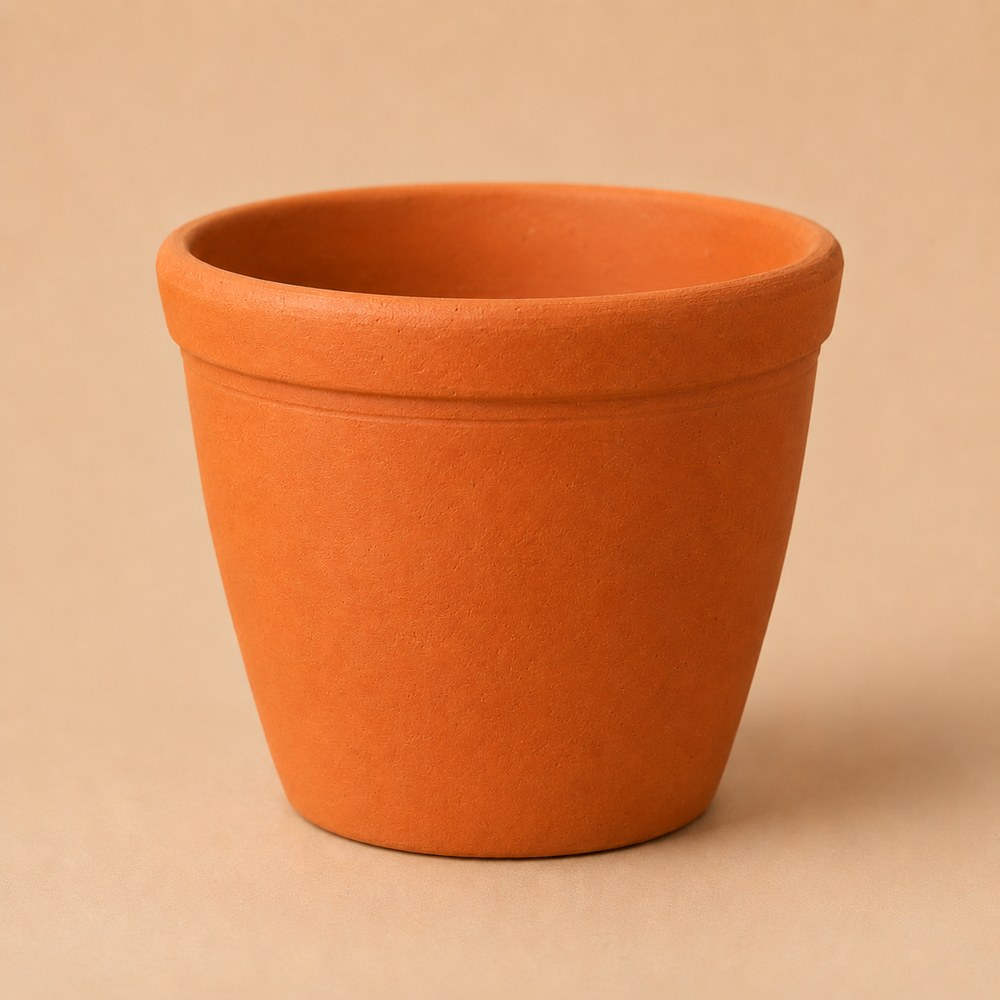
Unglazed clay lets air and moisture pass through the walls. Roots get more oxygen and extra water evaporates, which makes terracotta pots very forgiving if you tend to overwater. They also stay cooler in Delhi summers.
Choose terracotta for: succulents, cactus, jade, adenium, tulsi and most outdoor flowering plants. Watch out for: faster drying in May–June; water more often. Soak new terracotta pots in water for an hour before planting. See all clay and terracotta pots.
Ceramic pots
Glazed ceramic pots look polished and come in many colours, which is why they are popular for living rooms, offices and gifts. The glaze seals the walls, so soil stays moist longer.
Choose ceramic for: indoor foliage plants such as peace lily, aglaonema, ZZ and calathea. Watch out for: overwatering — always check the soil before watering, and make sure there is a drainage hole. Many decorative ceramic pots have none; in that case use them as a cover pot with a plastic nursery pot inside.
Plastic pots
Plastic pots are light, cheap and do not break, which makes them practical for hanging baskets, railings, large plants you may need to move, and rented homes.
Choose plastic for: ferns, money plant, seasonal flowers and big indoor plants. Watch out for: heat — black plastic in direct sun can overheat roots in summer; use light colours outdoors.
The one rule that matters most: drainage
A pot without a drainage hole lets water collect at the bottom, roots rot, and leaves turn yellow. If you love a pot without a hole, use it as a decorative cover and keep the plant in an inner pot you can lift out to drain.
Choosing the right size
When repotting, go only 1–2 inches (2–5 cm) wider than the current pot. A pot that is too large holds excess wet soil around small roots. Our repotting guide explains when and how.
Frequently asked questions
Are terracotta pots good for indoor plants?
Yes, especially for plants that like to dry out between waterings, such as succulents, snake plant and ZZ. Use a saucer to protect floors.
Do plants grow better in clay or plastic pots?
Neither is better for all plants. Clay suits plants that prefer drier roots; plastic suits plants that like steady moisture and saves weight.
Why do ceramic pots need drainage holes?
Without a hole, water collects at the bottom and rots the roots. Glazed ceramic does not let water escape through its walls.