How to Repot a Plant: Step-by-Step Guide for Beginners
When a plant needs a bigger pot, the right time of year in India, and a simple method that avoids transplant shock.
25 September 2026 3 min readBy the VaanMart nursery team
Every potted plant eventually outgrows its pot. Repotting gives roots fresh soil and space, and done at the right time, the plant bounces back within a week or two. Here is exactly how to do it.
Signs your plant needs repotting
- Roots growing out of the drainage hole.
- Roots circling the top of the soil or the pot shape visible when you lift the plant out.
- Water runs straight through without soaking in.
- The plant dries out within a day or two of watering.
- Growth has stopped during the growing season even with good care.
- It has been more than two years in the same soil.
Best time to repot in India
For Delhi NCR and North India, repot in February–March or September–October, when temperatures are mild. Avoid May–June heat and late December–January cold, when plants recover slowly. Repot flowering plants after a flowering flush, not while they are in bud.
What you need
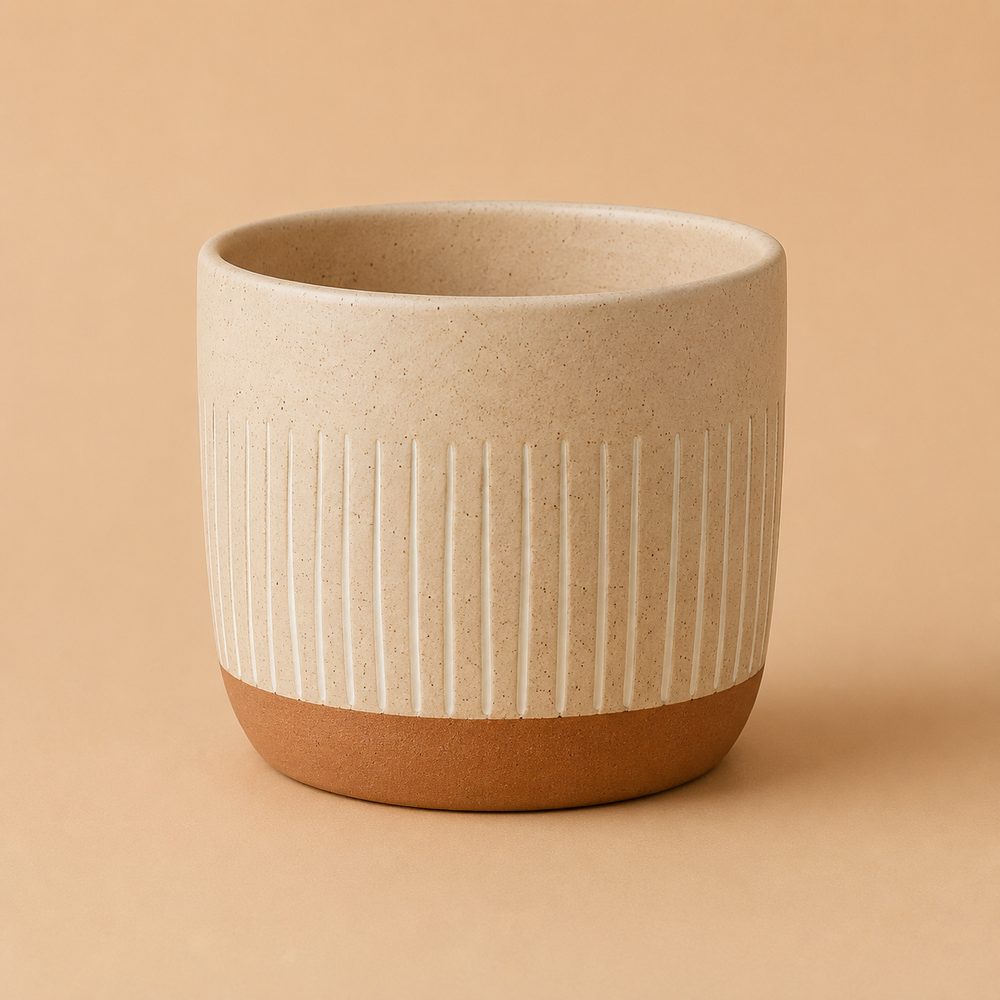
- A pot 2–5 cm wider than the current one, with a drainage hole.
- Fresh potting mix: roughly 50% soil, 30% compost or vermicompost, 20% cocopeat or sand.
- A small trowel or blunt knife, scissors, and a sheet or newspaper.
Need a new pot? Compare materials in our pot guide or browse pots and planters.
How to repot, step by step
- Water the plant a day before. Moist roots slide out easily and suffer less damage.
- Prepare the new pot. Place a piece of broken pot or mesh over the drainage hole and add a layer of fresh mix.
- Remove the plant. Turn the pot on its side, support the base of the stems, and tap or squeeze the pot. Run a knife around the edge if it is stuck.
- Loosen the roots. Gently tease circling roots outward. Trim any black, mushy or dead roots with clean scissors.
- Position the plant. Set it so the top of the root ball sits 2–3 cm below the pot rim — the same depth it was before.
- Fill around it. Add mix around the sides and firm gently with your fingers. Do not pack it hard.
- Water thoroughly until water drains from the bottom, and top up any soil that settles.
Aftercare: avoiding transplant shock
- Keep the plant in bright shade (no harsh direct sun) for 5–7 days.
- Water again only when the top inch of soil is dry.
- Do not fertilise for 3–4 weeks; fresh mix has enough nutrients and new roots burn easily.
- A few drooping or yellow leaves in the first week is normal.
Plants that like being a little root-bound
Snake plant, ZZ plant, peace lily and spider plant often flower or grow better when slightly snug. Repot them only when roots are clearly crowded — usually every two to three years.
Prefer someone else to do it?
Repotting many large pots is messy work. In Greater Noida West, VaanMart's repotting visit starts at ₹149, with soil and pots quoted before the visit.
Frequently asked questions
How often should I repot indoor plants?
Most indoor plants need repotting every 12–24 months. Fast growers like money plant and syngonium may need it yearly; slow growers every two to three years.
Should I water immediately after repotting?
Yes, water once thoroughly to settle the soil around the roots, then wait until the top inch is dry before watering again.
Can I repot a plant in summer?
It is best avoided in North India's May–June heat. If a plant is badly root-bound, repot in the evening and keep it in shade for a week.